Skin: The Elegant Handwritten Font for Crafters
In the world of handmade goods, the difference between a good product and a great one often comes down to the details. For those of us running small shops on Etsy, crafting with Cricut or Silhouette machines, or designing digital printables, typography is not just about making words readable; it is about setting a mood. It is the voice of your brand before a customer even touches your product. This is where Skin enters the conversation. As a flowing handwritten font described by an elegant touch, Skin offers a distinct and timeless style that transforms simple text into spectacular design elements. Whether you are creating boutique labels, wedding invitations, or seasonal wall art, this typeface brings a human warmth that digital perfection often lacks.
The Visual Personality of a Timeless Script
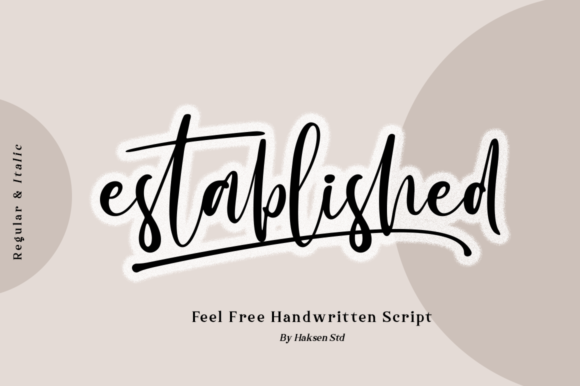
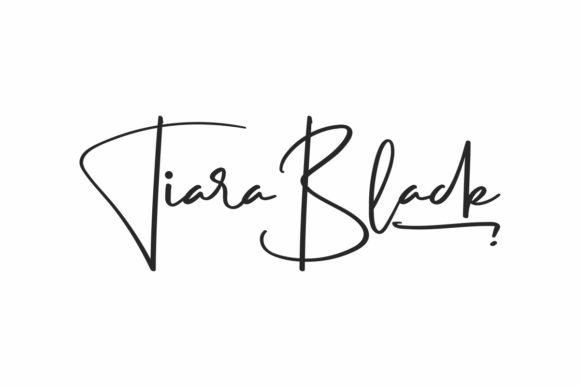
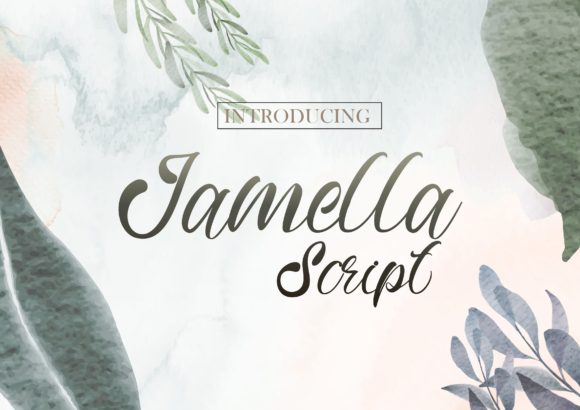
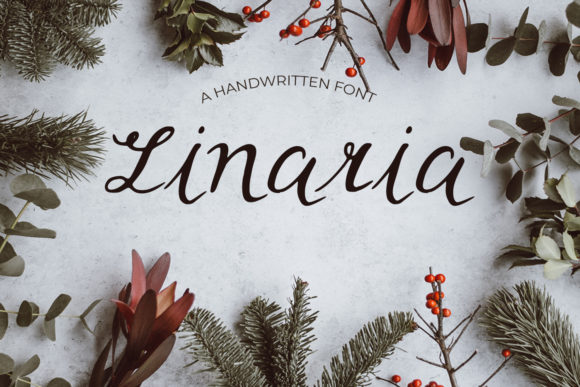
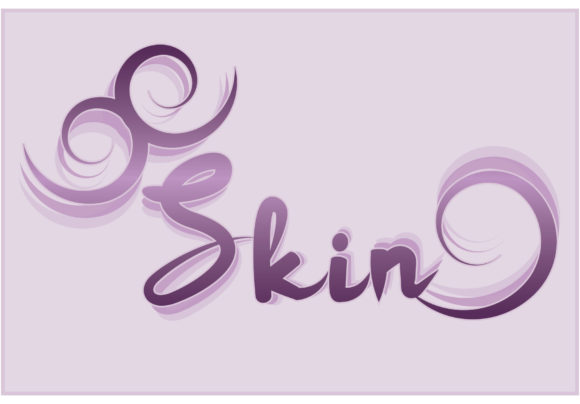
When I first opened the files for Skin, I was immediately struck by its natural rhythm. Unlike many script fonts that feel stiff or overly decorative, Skin mimics the organic flow of a real pen moving across paper. It has an incredibly distinct character that feels both modern and classic simultaneously. This versatility makes it a standout asset in any creative library of Fonts. The strokes vary in thickness, giving it depth and shadow, which translates beautifully when printed on textured cardstock or cut from vinyl.
The charm of Skin lies in its ability to convey emotion. It whispers sophistication without shouting for attention. For a crafter, this means your products can communicate quality instantly. When a customer sees a candle label or a greeting card featuring this elegant touch, they perceive the item as curated and thoughtful. It elevates the perceived value of your handmade items, allowing you to command a higher price point because the presentation feels premium. In the crowded marketplace of craft sellers, having a unique typeface like Skin helps your brand identity stand out while maintaining a cohesive aesthetic.
Practical Applications for Handmade Products
The true test of any display font is how well it performs in real-world applications. Skin is exceptionally versatile, making it suitable for a wide range of physical and digital projects. Because of its flowing nature, it shines brightest when used for short phrases, names, titles, and decorative wording. It is not designed for long paragraphs of body text, but rather to highlight the most important parts of your design.
- Boutique Labels and Packaging: Imagine a jar of artisanal honey or a set of soy candles. Using Skin for the product name creates an immediate sense of luxury. The handwritten style suggests that the contents were made with care, fitting perfectly with the "farmhouse" or "boho chic" aesthetics popular in modern retail.
- Wedding Stationery and Invitations: For invitation designers, Skin is a dream. Its elegance makes it perfect for couple names, dates, and "RSVP" headers. When paired with a clean sans serif font for the logistical details, it creates a balanced, high-end look that clients love.
- Wall Art and Home Decor: SVG-style designs for farmhouse signs often rely on a mix of bold block letters and delicate scripts. Skin works beautifully as the accent phrase on wooden signs, canvas prints, or printable wall art. A quote like "Home Sweet Home" gains a personal touch when rendered in this flowing script.
- Apparel and Accessories: Whether you are heat pressing shirts, printing tote bags, or decorating mugs, Skin adds a trendy, custom feel. It works particularly well on darker fabrics where the white ink pops, or on light linens for a soft, romantic vibe.
- Digital Downloads and Planners: If you sell digital planner pages or journal templates, using Skin for section headers or motivational quotes adds a layer of personality that standard system fonts cannot match.
Ensuring Readability and Technical Success
While beauty is paramount, functionality is key for a commercial font. One of the biggest challenges with script fonts is legibility, especially when scaled down for small stickers or product tags. Skin manages this balance well, but there are practical steps to ensure success. When using Skin for cutting machines like Cricut or Silhouette, always preview your design at 100% size. Check that the connecting loops and swashes do not become too thin or break apart during the weeding process.
For very small applications, such as tiny favor tags or bottle caps, consider simplifying the design. You might need to adjust the kerning slightly to ensure the letters remain distinct. On printed materials, the contrast of the ink matters. Skin looks stunning in black on cream cardstock, but if you are using it on patterned backgrounds, ensure there is enough negative space so the intricate details of the handwriting don't get lost. Always create a mockup preview before committing to a bulk order. Seeing how the font interacts with your specific material—be it glossy vinyl, matte paper, or fabric—will save you time and materials in the long run.
Mastering Font Pairing for Professional Results
A common mistake among new designers is trying to let a script font carry the entire design. However, Skin truly sings when it is part of a thoughtful font pairing strategy. To maintain readability and visual hierarchy, pair this expressive script font with a neutral, clean typeface.
A safe and effective combination is to use Skin for headlines, names, or key phrases, and pair it with a simple sans serif font for body text, addresses, or instructions. The geometric simplicity of a sans serif allows the curves of Skin to take center stage without competing for attention. Alternatively, for a more traditional or editorial look, you can pair Skin with a classic serif font. This combination evokes a sense of history and permanence, perfect for wedding programs or formal announcements. Avoid pairing Skin with another complex script or a heavily decorated display font, as this will create visual clutter and reduce the professional appeal of your project.
Licensing and Commercial Use Considerations
As a maker selling physical products, templates, or digital downloads, understanding your license is non-negotiable. Skin is designed to be a commercial font, meaning it supports the creation of products for sale. However, the specifics depend on the license tier you purchase. Generally, a standard commercial license allows you to use the font in logos, packaging, merchandise, and client work. This covers everything from printing t-shirts to designing social media graphics for a brand.
If you are selling digital assets, such as SVG files or editable templates, you must ensure your license permits "resale of design files." Some licenses require you to embed the font or convert it to outlines before selling the file, while others may restrict the resale of the raw vector file entirely. Always review the End User License Agreement (EULA) included with your download. Using a properly licensed premium font protects your business and ensures you are respecting the hard work of the type designer. With the right license, Skin becomes a powerful tool for scaling your handmade business, offering a consistent, beautiful, and legally sound way to present your creations to the world.